Etsy vs Michaels MakerPlace: 2026 SEO Guide for Sellers
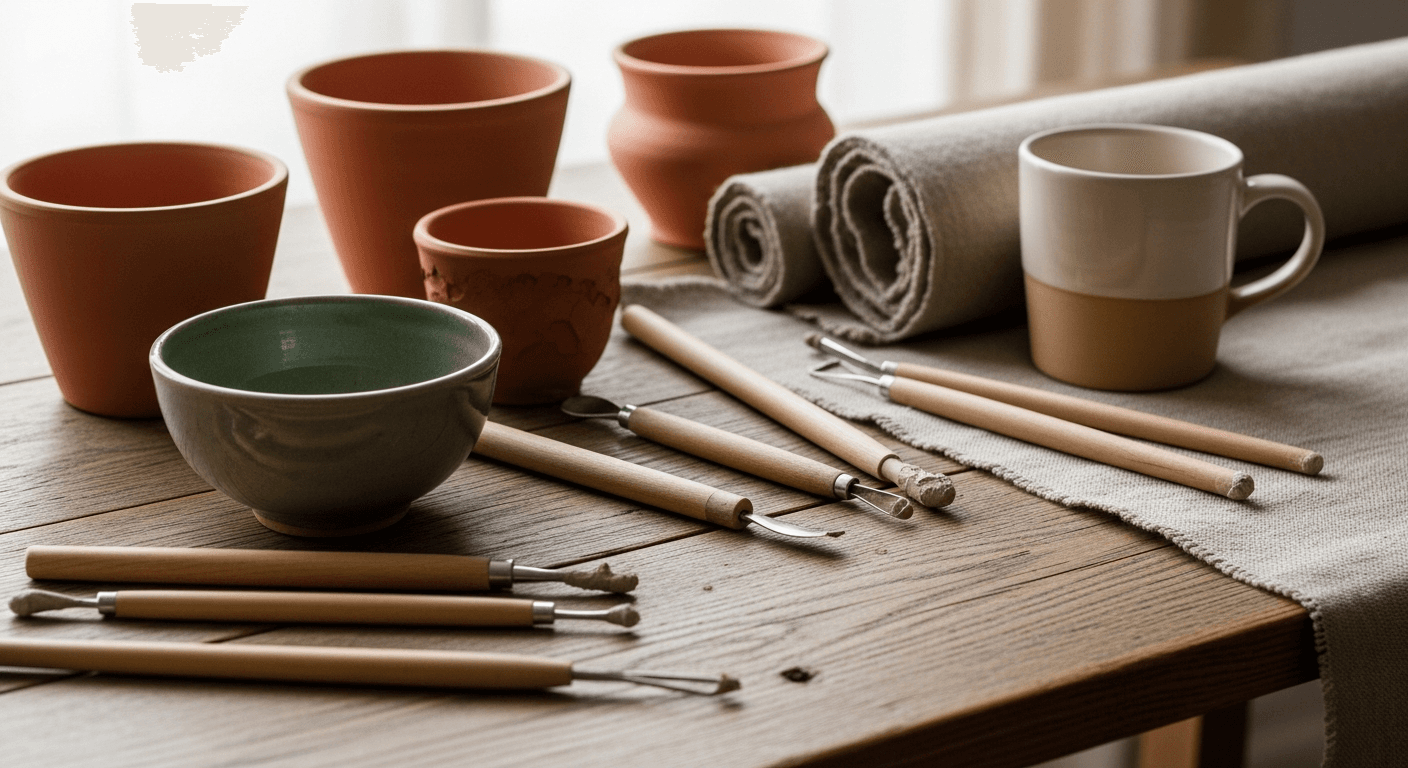
The 2026 E-commerce Landscape for Makers
As we navigate through 2026, the world of handmade e-commerce has transformed from a niche hobbyist market into a sophisticated, multi-billion dollar industry. For veteran sellers, the landscape is unrecognizable compared to a decade ago. We are no longer just competing with the shop next door; we are competing in a global arena defined by hyper-personalization and algorithmic precision. The central tension in the market today revolves around the Etsy vs Michaels MakerPlace rivalry, two giants offering vastly different paths to success for independent creators.
Etsy’s market saturation has reached a critical tipping point. With millions of active sellers, the "set it and forget it" approach to SEO is officially dead. The Etsy algorithm has evolved from a simple keyword-matching engine to a complex neural network that prioritizes "Search Intent" and "Customer Lifetime Value." This means that simply having the word "necklace" in your title is no longer enough. The platform now analyzes how long a user hovers over your image and whether your shop's historical shipping data suggests a reliable experience. To stay ahead, many sellers are turning to our Etsy seller blog to keep up with these rapid-fire updates.
On the other side of the fence, Michaels MakerPlace has emerged as a formidable challenger. What started as a modest alternative has grown into a powerhouse by leveraging Michaels' massive physical footprint. In 2026, the "Rise of MakerPlace" is defined by its hybrid model. Sellers are no longer restricted to digital storefronts; they are increasingly finding opportunities for in-store displays and local workshop integrations. This shift has attracted a demographic of buyers who value the "phygital" experience—the ability to discover a product online but trust the brand because of its association with a legacy brick-and-mortar institution.
Key Takeaway: The 2026 maker must be a multi-channel strategist. Relying on a single platform is a risk, but understanding the unique algorithmic DNA of each marketplace is the only way to maintain a competitive edge.
Demographic shifts have also played a major role. Gen Z and Gen Alpha buyers now dominate the handmade market. These consumers are less interested in mass-produced "aesthetic" items and are instead searching for radical transparency and sustainability. They use visual search tools and AI assistants to find products, meaning your SEO strategy must now account for how an AI describes your product, not just how a human types a query into a search bar.
Etsy SEO Strategies: Staying Relevant in 2026
To master Etsy SEO in 2026, you must first understand that the platform has moved toward AI-Powered Search Intent. The search bar is no longer looking for exact matches; it is looking for solutions. If a buyer searches for "sustainable wedding gift for a minimalist couple," Etsy’s AI doesn't just look for those keywords. It looks for listings that have historically high engagement from users with similar browsing profiles. This makes the "Attributes" section of your listing more important than ever.
Visual search has also become a primary driver of traffic. With the integration of advanced image recognition, Etsy can now "see" what is in your photos. If your primary photo features a ceramic mug on a wooden table with a linen napkin, the AI categorizes your product within the "rustic home decor" niche even if you don't use those words in your tags. To optimize for this, your photography must be high-contrast and clutter-free, ensuring the AI identifies the core product immediately. For those struggling to align their visuals with their keywords, you can try BetterListing's free listing optimizer to ensure your data matches your visual cues.
Shop Authority has become the "secret sauce" for ranking. In 2026, Etsy weights your Customer Experience Score as heavily as your keywords. This score is calculated based on:
- Message Response Time: Ideally under 2 hours during business windows.
- Shipping Reliability: Not just meeting deadlines, but providing real-time tracking updates.
- Review Sentiment: AI scans your reviews for specific praise regarding quality and packaging.
- Return Rate: High return rates signal to the algorithm that your descriptions are misleading.
Furthermore, external traffic is now a significant ranking signal. Etsy rewards shops that bring their own audience to the platform. By utilizing social media or email marketing to drive traffic directly to your listings, you signal to Etsy that your products are in high demand, which in turn boosts your organic search ranking within the marketplace. For more detailed technical guidance, the Etsy Seller Handbook remains an essential resource for understanding the core pillars of the platform's search technology.
Michaels MakerPlace SEO Tips: The Ground Floor Advantage
While Etsy is a crowded ocean, Michaels MakerPlace is a fertile ground where early adopters are reaping massive rewards. The Michaels MakerPlace SEO tips for 2026 focus on a less saturated algorithm that still relies heavily on structured data and clear categorization. Because MakerPlace is integrated with the broader Michaels ecosystem, its search engine behaves more like a traditional retail site than a social marketplace.
Mastering keyword research here requires a focus on "Project-Based Search." Many users on Michaels are looking for inspiration for their own projects or finished goods that complement their crafting hobbies. Keywords like "hand-painted knitting bowl" or "DIY-inspired nursery decor" perform exceptionally well. Unlike Etsy, MakerPlace places a high value on Technical Specifications. In your descriptions, you must be incredibly specific about dimensions, weight, and material composition, as these are used as primary filters in the sidebar search.
One of the unique advantages of MakerPlace is its Brick-and-Mortar Synergy. In 2026, Michaels allows top-performing MakerPlace sellers to offer "In-Store Pickup" for local customers. To optimize for this, you must include location-based keywords in your shop profile. If you are a potter in Austin, Texas, using "Austin Handmade Ceramics" in your bio can help you appear in local search results when customers filter by "Available Near Me."
- Focus on Category Depth: Ensure your products are nested in the most specific category possible. Don't just select "Jewelry"; go down to "Handmade Resin Dangle Earrings."
- Utilize Video Demonstrations: MakerPlace's algorithm gives a 15% boost in visibility to listings that include a "process video" or a "product in use" video.
- Leverage Michaels Rewards: Mentioning that your shop supports Michaels Rewards points in your description can increase conversion rates, as loyal Michaels shoppers look for ways to spend their accrued credit.
"The advantage of MakerPlace isn't just the lower competition; it's the trust factor. When a customer sees a 'Michaels Verified' badge, the barrier to purchase drops significantly compared to an unknown seller on a standalone site."
High-conversion product descriptions on MakerPlace should be formatted with bullet points for readability. The algorithm scans for "Feature-Benefit" pairs. For example, instead of saying "Soft wool," say "100% Merino Wool (Feature) for a non-itchy, breathable feel (Benefit)." This structure helps the search engine understand the value proposition of your item, leading to better placement in "Recommended for You" carousels.
Head-to-Head Comparison: Etsy vs Michaels MakerPlace
Choosing between these two platforms—or deciding how to split your inventory—requires a cold, hard look at the numbers. In 2026, the fee structures have shifted as both platforms vie for seller loyalty. Etsy has increased its transaction fees to fund its massive AI infrastructure, while Michaels has introduced tiered subscription models that reward high-volume sellers.
The following table breaks down the key differences you need to consider for your 2026 business plan:
| Feature | Etsy (2026) | Michaels MakerPlace (2026) |
|---|---|---|
| Listing Fee | $0.25 per item (4 months) | Free (Unlimited listings on Pro plan) |
| Transaction Fee | 7.5% + Payment Processing | 4% - 6% (Based on membership) |
| Search Competition | Extremely High (9M+ Sellers) | Moderate (Growing rapidly) |
| SEO Primary Driver | AI Intent & Shop Authority | Keywords & Category Specifics |
| Omnichannel Potential | Digital Only / Offsite Ads | In-Store Returns & Local Classes |
| Audience Demographic | Global, Trend-driven, Gen Z | North American, Craft-focused, Gen X/Millennial |
When comparing handmade marketplace comparison 2026 metrics, search volume is the most significant differentiator. Etsy still commands nearly 10x the monthly search volume of MakerPlace. However, the Conversion Rate on MakerPlace is often higher because the traffic is more intentional. Visitors to Michaels are usually there to buy or make something specific, whereas Etsy has become a "discovery" platform where users spend hours browsing without necessarily purchasing.
For sellers of supplies and kits, MakerPlace is the clear winner. The integration with Michaels' core business means your "DIY Earring Kit" is likely to be cross-promoted on pages where customers are buying jewelry pliers. For finished high-end art pieces, Etsy’s global reach and "Gift" search functionality remain superior. If you are feeling overwhelmed by the technical requirements of either platform, remember that tools like BetterListing can help you sync and optimize your data across both marketplaces simultaneously.
Developing a Multi-Platform SEO Strategy
In 2026, the most successful makers don't choose one platform; they build a Multi-Platform SEO Strategy. The goal is to create a "Brand Halo" where your presence on Etsy boosts your credibility on MakerPlace, and vice-versa. However, managing two different SEO algorithms requires a disciplined approach to data and inventory.
Consistency is key. Your brand name, logo, and "About Me" story should be identical across all channels. This is not just for branding; it's for Cross-Channel SEO. When a customer sees your shop on MakerPlace and then searches for you on Google, your Etsy shop or personal website should appear as well. This "Search Dominance" signals to all algorithms that you are a legitimate, high-authority brand.
To manage this effectively, follow these steps:
- Centralize Your Keyword Bank: Create a master list of keywords, then pivot them based on the platform. Use "long-tail intent" keywords for Etsy and "technical/functional" keywords for MakerPlace.
- Sync Inventory Levels: Use a third-party integrator to ensure you don't oversell. Nothing tanks your Shop Authority faster than cancelling orders due to stock-outs.
- A/B Test Descriptions: Use one style of description on Etsy (story-focused) and another on MakerPlace (spec-focused) to see which yields a higher conversion rate for your specific products.
- Analyze the Data: Monthly, check which platform gives you a better Return on Time (ROT). If you spend 10 hours on Etsy SEO for $1000 in sales, but 2 hours on MakerPlace SEO for $500 in sales, MakerPlace is actually your more profitable channel.
Consistency also extends to your Customer Experience. If you offer free shipping on Etsy, you should ideally offer it on MakerPlace as well. Buyers often "shop around" the marketplaces to find the best deal from the same seller. If they find a discrepancy, it can erode trust. For more tips on maintaining this balance, check out the Etsy Help Center for their latest policies on multi-channel selling and external links.
Future-Proofing Your Handmade Business
As we look toward the end of 2026 and into 2027, "SEO" is expanding beyond the search bar. We are entering the era of Voice Discovery and Community-Led Commerce. Future-proofing your business means preparing for a world where a customer says, "Siri, find me a hand-poured soy candle that smells like a forest," and your product is the one recommended.
Voice search optimization requires a shift toward Natural Language Patterns. People speak differently than they type. To capture voice traffic, include "Question and Answer" sections in your product descriptions. Use phrases like, "Are these earrings hypoallergenic? Yes, our earrings are made with surgical grade titanium, making them perfect for sensitive ears." This conversational data is exactly what voice assistants look for when generating an answer.
Building community is the ultimate SEO hedge. When you have a loyal following, your "Direct Traffic" increases. Direct traffic is the most valuable signal you can send to a marketplace algorithm. It tells Etsy or Michaels that people are looking for you, not just a generic product. This leads to higher rankings for all your keywords. You can build this community through:
- Exclusive Pre-launches: Give your email list early access to new collections.
- Educational Content: Teach your customers how to care for their handmade items via video.
- Interactive Feedback: Use polls to let your audience choose the next color or pattern in your lineup.
Important Quote: "In the age of AI, the most 'human' shops will win. Algorithms are designed to mimic human preference, and humans prefer connection, story, and authenticity."
Finally, stay adaptable. The etsy alternatives for sellers will continue to grow, and new platforms may emerge by 2027. The skills you learn today—optimizing for search intent, mastering visual data, and maintaining high shop authority—are transferable. Whether you are selling on Etsy, Michaels MakerPlace, or your own independent site, the core principles of value and visibility remain the same. Keep refining your strategy, keep an eye on the data, and never stop innovating your craft. For ongoing support and the latest tools to keep your listings at the top of the search results, don't forget to visit BetterListing and join our community of forward-thinking makers.
Ready to optimize your Etsy listings?
Try BetterListing free — generate SEO-optimized listings in seconds.
Try BetterListing FreeRelated Posts
Etsy vs Amazon Handmade SEO: 2026 Ranking Guide for Sellers
A comprehensive 2026 comparison of ranking algorithms, keyword strategies, and visibility tactics for Etsy and Amazon Handmade sellers to scale their artisan brands.
Etsy vs Shopify SEO 2026: 7 Tips for Scaling Your Growth
Deciding between Etsy and Shopify for SEO growth in 2026? Discover which platform offers better search visibility and how to scale your handmade business to the next level.

Best Etsy SEO Tools 2026: Ultimate Comparison Guide
Navigate the competitive 2026 marketplace with our comprehensive guide to the top-rated Etsy SEO tools, featuring head-to-head comparisons and AI insights.